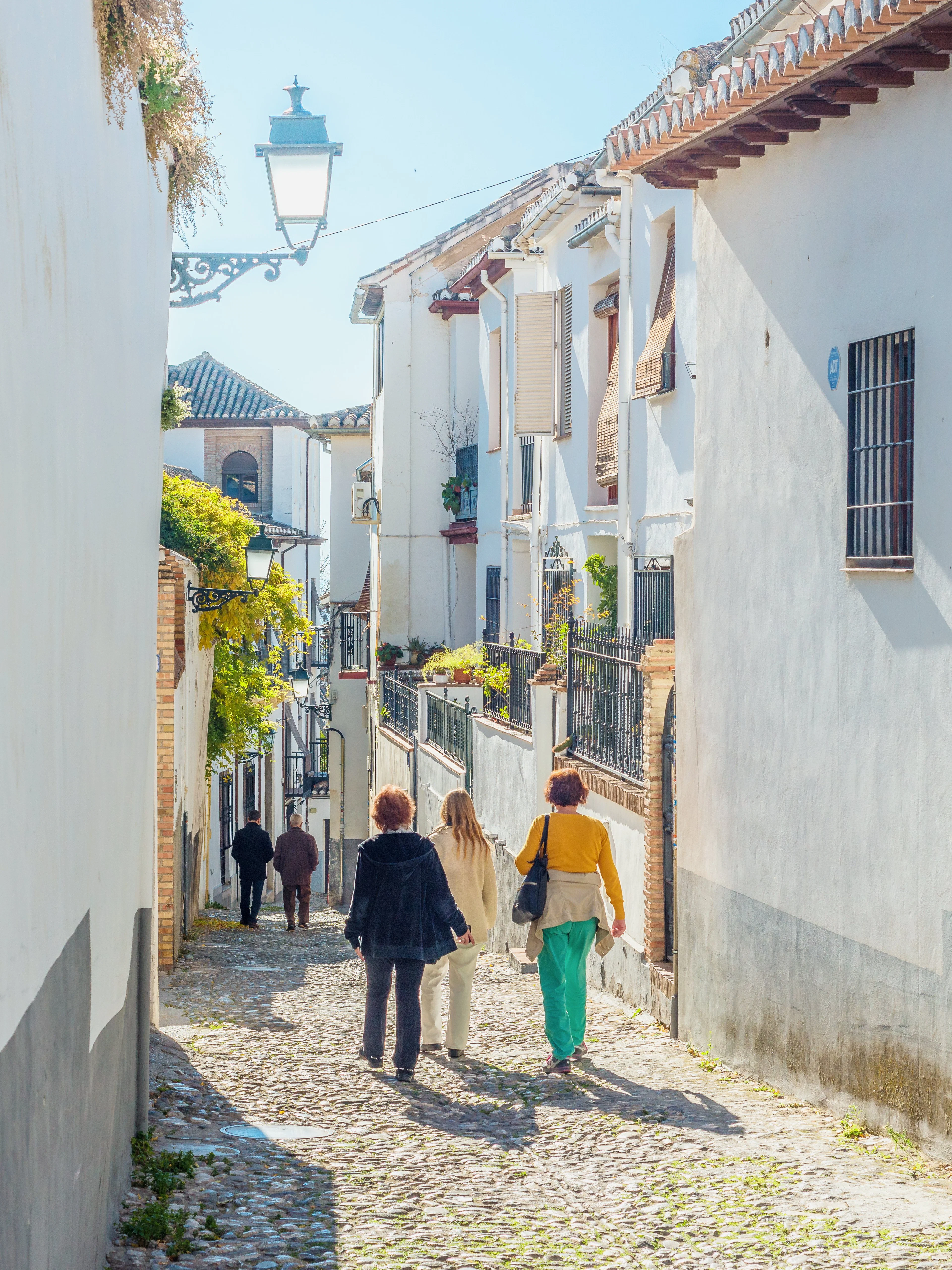
Albaicín and Sacromonte only make full sense when you feel the climb under your feet. Walking lets you understand how the old Moorish quarter sits opposite the Alhambra, how cave homes cling to the hillside, and how people actually move through these neighbourhoods every day.
How Headout makes choosing experiences effortless
We curate the best ways to experience
We research and organise all unique experiences - from tickets to tours to special combos - so you get all the choices without the clutter.
We partner with the best
Every supplier is vetted for quality, reliability, and value so you only get top rated experiences. No surprises, no disappointments.
All the best options, in one place
Each experience is thoughtfully organised to give you maximum availability, great value and an easy way to choose.
Book with complete peace of mind
Free cancellations, Flexible payments, and 24/7 support - thoughtfully designed for flexibility, assurance, and total peace of mind.
Slide 1 of 41/4
Slide 1 of 4


Granada is a city built for walking. The best views sit at the top of narrow hills, the deepest stories hide inside whitewashed alleys, and the most authentic parts of the city can only be reached on foot. Walking through Albaicín and Sacromonte feels like moving across centuries. One moment you’re beside Hispano-Muslim houses; the next, you’re in gypsy cave districts listening to flamenco origins.
Why explore Granada on foot
What to expect from Granada walking tours

1/5
Easy meeting points in the historic center
Most tours start at central, easy-to-spot locations such as Plaza Nueva or Plaza Santa Ana. You meet your guide a few minutes before departure, confirm your booking and get a quick overview of the route, language and walking level before you set off.
Cobblestones, hills and hidden corners
From the flat riverfront at Carrera del Darro you slowly climb into Albaicín and Sacromonte, following stepped alleys, cobbled lanes and hillside paths. Expect regular pauses at small churches, plazas and miradores that suddenly open up to full views of the Alhambra.
Layered stories of Granada’s cultures
Guides bring together Islamic Granada, the Catholic conquest and Romani traditions in a way that is easy to follow. At each stop you get short, clear stories instead of long lectures, with time for questions and local tips if this is your first time in Spain.
Caves, flamenco roots and neighbourhood life
On Sacromonte sections, you discover how cave homes evolved, why the quarter became a cradle for flamenco and how people still live on these hills today. Sunset tours include entry to caves so you can see the interiors rather than only looking from outside.
Sunset, sangria and tapas on select tours
If you choose a guided sunset tour, the walk usually ends back in the center with a local tapa and a glass of sangria included. It is an easy way to slide from sightseeing into your evening, with your guide recommending more bars and viewpoints nearby.
Types of walking tours in Granada
Popular neighbourhoods for walking tours in Granada
Frequently asked questions about walking tours in Granada
Most guided walks in Albaicín and Sacromonte last around 2 to 2.5 hours. This includes flat sections along the river, hill climbs, viewpoint stops and a few short breaks.
Meeting points are normally central, such as Plaza Nueva or Plaza Santa Ana. Your voucher will confirm the exact spot. Plan to arrive 10 to 15 minutes early so you can find your guide and settle in before the group sets off.
Tickets usually cover the official guide and a guided route through Albaicín and Sacromonte. Sunset tours also include a tapa, a glass of sangria and entry to selected caves in Sacromonte. Transport, extra food and tips are not included.
Albaicín and Sacromonte walking tours focus on streets, viewpoints and cave areas rather than big ticketed monuments. You get exterior views of landmarks and, on sunset tours, access to caves in Sacromonte. If you want Cathedral or Royal Chapel interiors, you will need a separate ticket or tour that includes those.
Expect a moderate level of activity. Routes usually cover a few kilometers with cobblestones, slopes and some stairs. The pace is relaxed with regular stops, but the hills can feel demanding if you are not used to walking on uneven ground.
Many seniors enjoy these tours if they are comfortable with hills and take it slow. Families with older children usually manage well. The routes are not suitable for strollers, and very young children may find the climbs tiring.